
AI Search Optimization
AI is selling your product. Make sure it gets it right.
You probably don't need to worry about whether AI knows about your product. The BIG question is what it says about it, in what context, and to whom.
Does it understand what makes customers choose you? Surface your strongest capabilities when they matter? Recommend you to the right buyers, for the right reasons? Or is it quietly misrepresenting your product while your visibility numbers look perfectly healthy?
Hi I'm Pawel
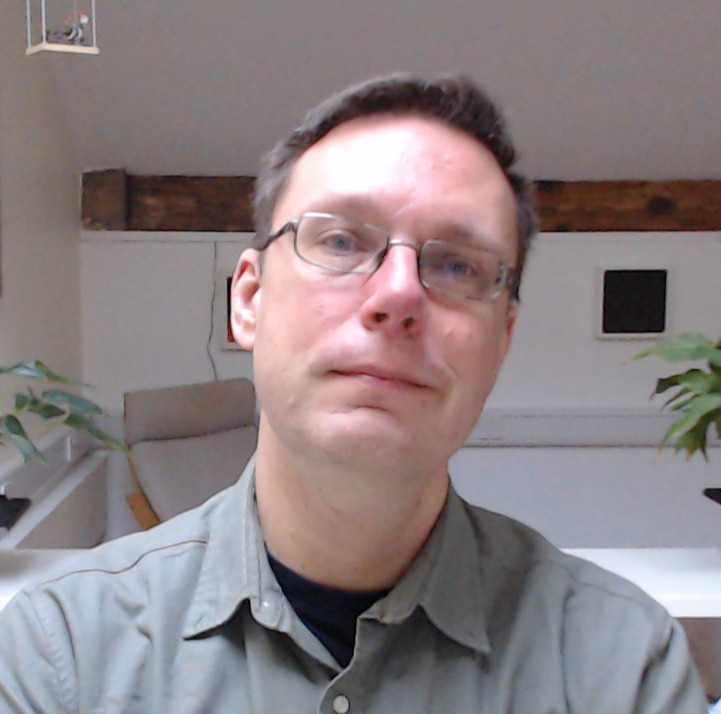
I help teams understand how AI systems interpret, position and recommend their company, benchmark them against competitors, investigate problems and opportunities, and decide what actually deserves attention.
what I specialize in
AI Visibility Diagnostics
Assess how AI systems understand your company, products, positioning and capabilities, and identify gaps, inconsistencies and issues that could affect your visibility.
LLM visibility monitoring
Track how your company appears across relevant AI systems and buying situations, including when you appear, how you're presented and what AI actually says about you.
Competitor AI benchmarking
Compare how AI understands and recommends your company against key competitors, and uncover the reasons behind differences in visibility, positioning and recommendations.
Positioning and entity evaluation
Evaluate whether AI correctly understands who you are, what you sell, where you belong, the problems you solve and the capabilities that matter to customers.
Recommendation and buying-situation analysis
Identify when AI recommends your company, when it doesn't, and what appears to influence those recommendations across the buying situations that matter to your business.
Hallucination and misconception monitoring
Detect incorrect, outdated or misleading information about your company in AI answers and investigate where those misconceptions may be coming from.
Information environment analysis
Evaluate the wider information environment shaping how AI understands your business, including your messaging, external sources, category associations and other information available about your company.
Bespoke AI visibility testing
Investigate business-specific problems, opportunities and unanswered questions through targeted tests designed around your company rather than a standard set of prompts.
companies I've worked with
I've worked with software companies at different stages, helping them understand how search and AI systems see their businesses, where the important gaps are, and what deserves their attention.
My role has typically been the same: investigate the problem, work through the evidence, make a judgment, and explain what I think they should do next.
Some current and past clients include:
Spreo — current
I am helping Spreo build strong AI visibility after a rebrand and product expansion.
Spraye — current
I work with Spraye as the company moves into a broader business category and builds organic visibility there.
Userlist
I helped Userlist establish an organic growth strategy in a market with no obvious search category or established keyword demand.
Breachsense
I've worked with Breachsense on several projects since 2023. Most recently, I helped the company identify business positioning and authority gaps that hold the company back from becoming the obvious choice for AI recommendation.
Anchorpoint
I helped Anchorpoint understand its positioning, and developed a roadmap to establish the product as an authority in their target market.
working with me
Most companies hire me because something important isn't quite adding up.
They have the data. They know the market. They usually have a capable team. But the answer to what is actually happening, what matters, or what to do next isn't obvious.
That's where I'm most useful.
I dig into the company, the market and the available evidence, work out what I think is going on, and explain what I think deserves attention.
Most of my clients hire me to help improve their AI visibility. Occasionally, I take on other strategic work where the problem is interesting and I think I can genuinely help.
If that's what you're looking for, get in touch.